
RV roof leaks, every RV owners nightmare. Researching causes, products and rv roof options can be overwhelming. Professional advice is getting harder and harder to find, there has been an increase in RV “technicians” the last few years with no practical experience starting businesses.
If you’re researching RV roof leaks, you’ve probably seen the claim:
“Most RV roof leaks are caused by failed AC gaskets.”
This is probably the most inaccurate statement you will ever hear bouncing around the forums. Let’s look as what actually causes the majority of the RV roof leaks, based on how RV roof systems are built and how water behaves.
How an RV AC Works
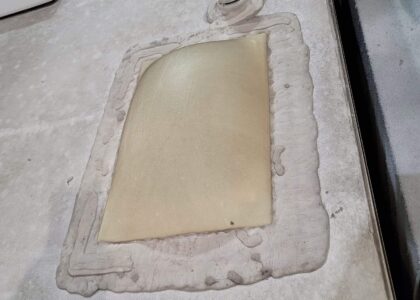
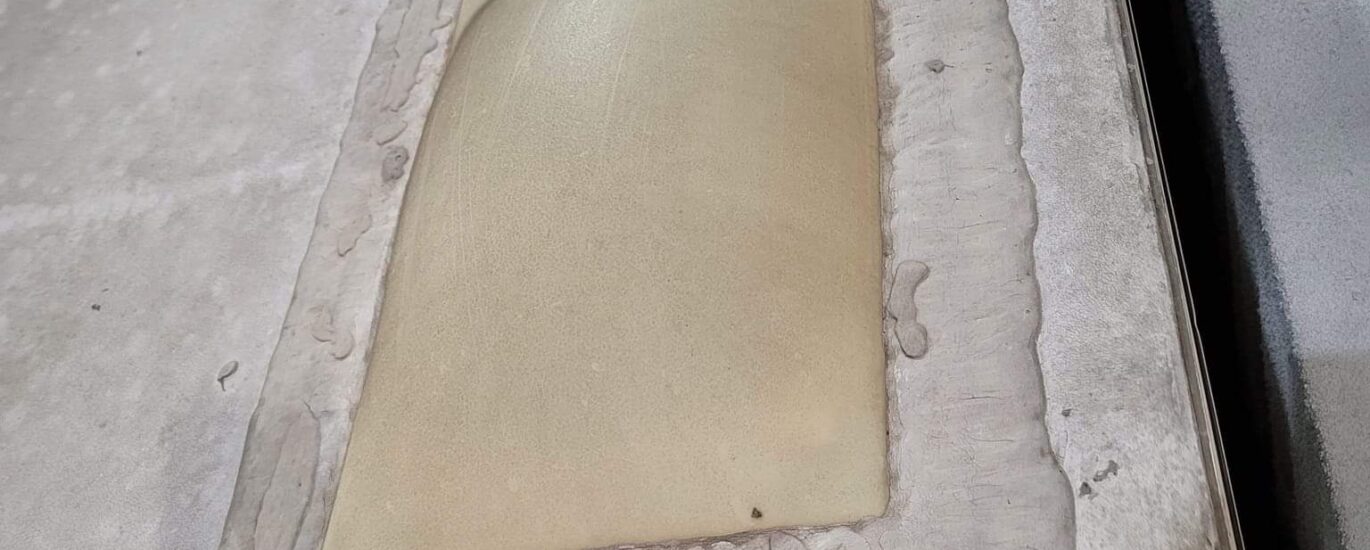
An RV rooftop air conditioner fits over a 14″x14″ roof opening, with a foam compression gasket in between. This gasket is meant to form a seal when compressed, and both the gasket and AC manufacturers provide torque guidelines for proper installation, including retightening after 30 days and again at 6 months. Lifespan and reliability vary by brand, so this isn’t an area to skimp on quality. When installed correctly, an AC gasket offers a leak-free experience with minimal upkeep. While they can fail, they aren’t automatically the main cause of RV roof leaks.
The Most Common RV Leak Sources
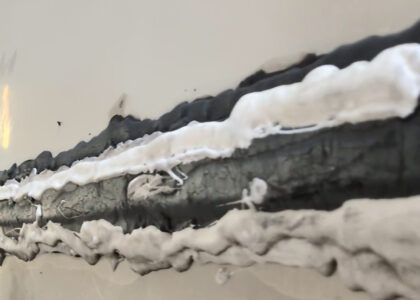
When most service professionals inspect water damage, the most frequently identified causes are failed lap sealant. RV roof sealants should be inspected at least every 6 months and repaired as needed to help prevent leaks before they become major problems. RV Geeks
Lap sealant is applied around roof components like seams, front and rear edges, skylights, vents, antennas, and anything with screws. It endures constant abuse from UV rays, heat, cold, and the ongoing expansion and contraction of materials. These nonstop, changing conditions can cause cracks and separation, making it the most common source of RV leaks, not AC gaskets.
Why the AC Gasket Gets Blamed So Often
The AC gasket explanation is popular for several reasons. It’s an easy target and a quick “fix” that some unscrupulous RV techs can charge up to $300 for. The RV owner usually has to take the professional’s word for it, since the only way to know for sure, except in extreme cases, would be to get on the roof, remove the AC, and check if it’s wet under the gasket or in the ductwork area.
It’s important to remember that water doesn’t always travel straight down. Signs of water near your AC doesn’t automatically mean that’s the source. Water can travel along roof decking, follow framing, or run along wiring. Some RV roofs have channels for wiring, and water could follow those to the first opening it finds. The actual leak could be several feet away and, in most cases, not related to the AC gasket at all, it’s just the first place in the attic space where the water can escape.
That’s why proper inspection matters. If a tech only checks the spot directly above where you see water inside and ignores the rest of the roof system, it’s worth getting a second opinion.
A thorough inspection should include all roof seams and any areas with caulk. If a roof repair company strongly pushes AC gasket failure as the main reason you need their solution, ask for evidence to back it up and get an independent inspection before committing to an RV roof replacement. ent.
The Bottom Line: Most RV Roof Leaks Come From Movement and Sealant Failure
In real-world repair scenarios, the most common causes of roof leaks are related to sealants, especially at seams, components, and flanges. While an AC gasket can leak, water intrusion is more likely to occur at a seam. Knowing how the whole system works helps you make better decisions and avoid oversimplified explanations.