Common RV Roof sealants
RV Roof sealants. This topic needs to be broken down into several categories. To start, we will go over the most common types, what they are compatible with, and why you shouldn’t use just any caulk you buy at the hardware store.
Choose RV Specific Products
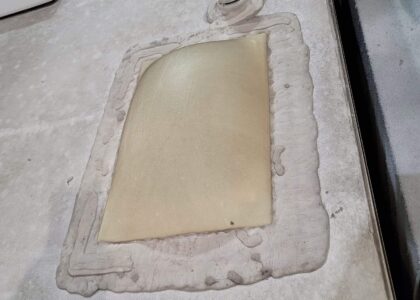
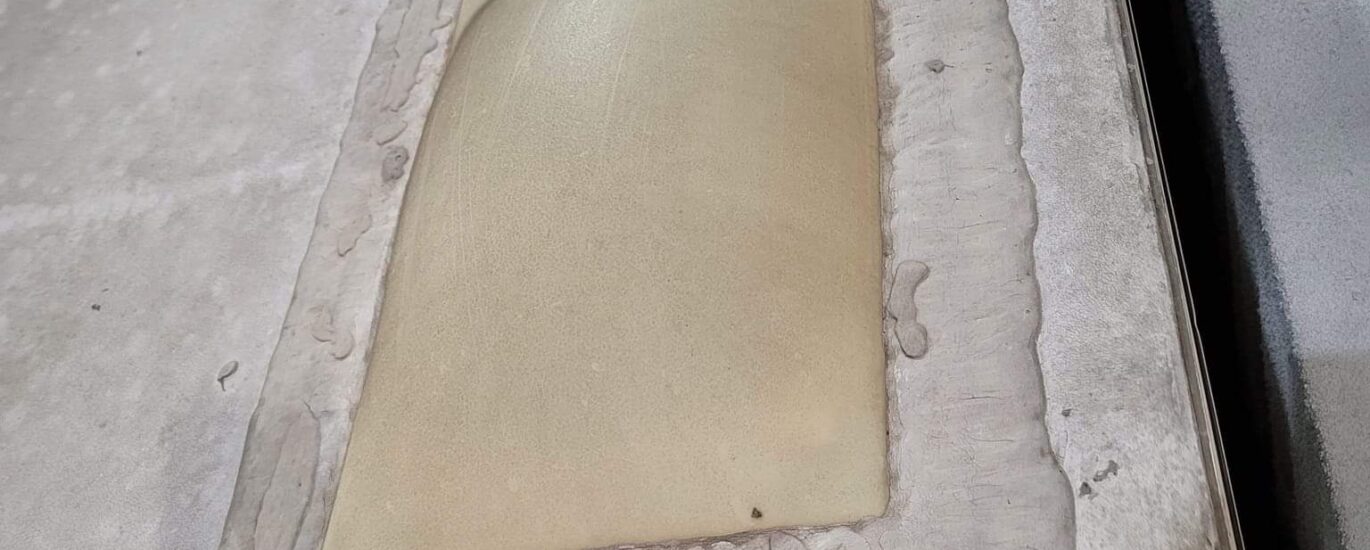
RVs with EPDM roofs are among the most sensitive roof types. Using a non-reactive caulk or sealant is very important. The best, and recommended by EPDM manufacturers, is Dicor Self-Leveling Lap Sealant. Dicor, which purchases its RV EPDM membranes from Carlisle Systems, produces the caulk specifically to work on flat surfaces and not react with the membrane. (Self-Leveling Ultra Sealant, n.d.) RV-specific self-leveling caulks are designed to stay flexible. EPDM membranes expand and contract with weather changes and even from day to night. When the membrane shrinks, you need the caulking to move with it so it won’t pull away. Dicor products, engineered for roof use with constant UV exposure, have high UV and weather resistance. (Non-Leveling Ultra Sealant, n.d.) The ability to remain pliable and move with changes in the roof and components is critical to staying adhered and providing protection. Self-leveling caulk also flows and levels out, filling in and around all screws and edges of roof parts. Standard caulk stays where you put it and most likely will not fill in around screws, providing a seal. Self-leveling is also thicker than most standard caulk, providing a thick layer of protection.
Why You Shouldn't Use Standard Caulking on RV Roofs
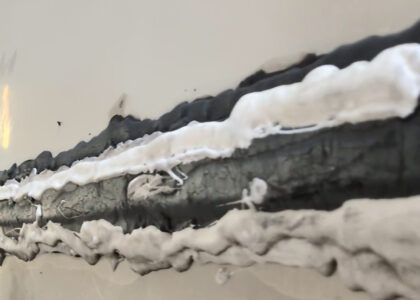
Standard caulking you buy at the hardware store, even if it is exterior, lacks most of the characteristics needed for RV roofs. A good example is DAP, a common, easy-to-find exterior caulk brand. The product lacks the flexibility to withstand extreme sun exposure and dries and cracks more quickly than Dicor Self-leveling. In testing, it shows only moderate UV resistance compared to products designed for RV roofs. Household exterior caulks do not self-level, increasing the risk of small gaps that allow water intrusion. The chemical makeup of these products prevents the formation of a thick, flowing bead of caulk, resulting in a smeared or glopped-on appearance. In the end, exterior caulks shrink faster, crack faster, edges lift, and they fail under prolonged, direct sun exposure. Final note, they do not bond well to rubber membranes.
House Roof Products
House roof caulkings are commonly touted as a substitute for Dicor-type products. There will always be a faction of RV owners who believe that RV-specific products are just a way to get money from you, and that there is no need to pay a higher price for caulking. EPDM rubber and TPO roofs are sensitive to certain chemicals. These chemicals will actually soften the membrane. The membrane loses strength, splits, and deteriorates quickly. Houses have metal and shingles, which are not as susceptible to chemical reactions. The caulk and sealant used on houses contain petroleum-based solvents, mineral spirits, asphalt, or roof cements. All of these products cause membrane swelling, softening, and permanent degradation to EPDM and TPO membranes.
Silicone Characteristics
Silicone caulkings are the next type you will find recommended to avoid buying RV-specific caulking. Most RVs have rubber membranes, and silicone does not bond long-term to them. It will look adhered at first, but will, over time, start to lift at the edges, slowly separate from the membrane, and allow water to creep in. RV roof manufacturers specifically do not recommend silicone for these reasons, not to force you to buy their products. (RV Roof Sealant Guide 2025 | Best Products, Application Tips & Mistake, 2025) Another drawback to using silicone is that, when it fails, every bit of the silicone has to be removed; nothing sticks to it. This can be extremely difficult on rubber membranes, and any residue left will cause adhesion issues with new caulking applied over the area. Silicone also sits where you put it and has more shrinkage as it dries than self leveling.
Silicone caulking is very deceptive. It will look adhered to a membrane and will not have visible cracks. What occurs, especially in snowy climates where snow melts and refreezes on the roof, is that water migrates under the edges. Water is now trapped under the bead and seeps into the openings you thought you were protecting, accelerating wood rot. Silicone is an acceptable option for fiberglass and metal roofs in certain situations, but it is never acceptable for a rubber membrane.
In Conclusion
In conclusion, it is very important to buy the right caulking for your RV roof. There is a reason they exist; they were designed to work with the chemically sensitive EPDM membrane. The self-leveling design keeps the seals pliable and bonded across all temperatures, and it holds up longer under constant UV exposure. Fight the urge to look at RV roof lap sealant as a way to force you to buy a product. A little higher cost: Dicor runs $9-$14 a tube, DAP $7-$8, which will help you avoid costly repairs in the future. And if it is made for a house roof, don’t use it on your RV roof. They are not the same, and you will end up with costly repairs again.