Why RV Roof Sealant Maintenance Matters
One of the biggest surprises for new RV owners is discovering how much maintenance RV roofs actually require, far more than most people expect from something called a “roof.” Many assume an RV roof will perform like the roof on their home and last for years without much attention.
Unfortunately, that expectation is one of the biggest misconceptions in the RV industry.
Many RV manufacturers promote their roof membranes with impressive warranties of 10, 15, or even 20 years. What often goes unmentioned is that these warranties typically cover only the roof membrane itself, not the areas where most leaks actually occur.
The real weak point of nearly every RV roof is the seams.
Vents, skylights, antennas, ladder mounts, air conditioners, and roof edges all require sealant to keep water out. Over time, this sealant breaks down and must be inspected and maintained.
And unlike roof membranes, sealant is considered a maintenance item.
The Truth About RV Roof Sealant Warranties
A common question RV owners ask is whether sealant manufacturers warranty their products the same way roof membranes are warrantied.
The answer is no.
RV roof sealants, whether it is Dicor self-leveling sealant, Alpha Systems sealant, or another brand, are only guaranteed to be in good condition at the time of purchase. Because sealant is exposed to sunlight, temperature changes, and constant flexing of the RV structure, manufacturers treat it as a regular maintenance component.
This means routine inspection is essential to prevent leaks.
The Most Common RV Roof Sealants
Dicor Self-Leveling Sealant
The two sealant brands most commonly used by RV manufacturers are:
If you own an RV, it is important to confirm your roof type and follow the sealant recommendations provided by the manufacturer. Using incompatible sealants can cause adhesion problems or damage certain roof materials.
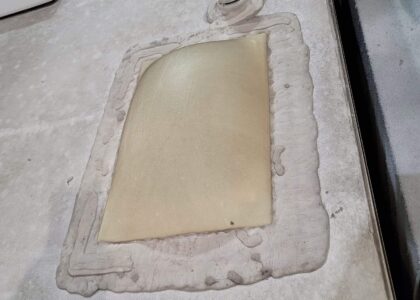
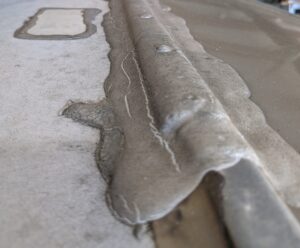
Dicor self-leveling lap sealant is one of the most widely used RV roof sealants. It is designed to remain flexible as temperatures change and the RV structure expands and contracts.
According to Dicor’s maintenance guidelines, RV roofs should be inspected every six months for signs of sealant deterioration.
Things to look for include:
Hardening
Cracking
Edges lifting from the surface
If any of these issues are present, the sealant should be replaced.
One advantage of Dicor sealant is that new sealant can typically be applied over existing Dicor, as long as the area is thoroughly cleaned and the original sealant is still securely bonded. Proper coverage over roof seams and screw heads is critical to maintain a watertight seal.
Alpha Systems RV Roof Sealant
Alpha Systems sealant is another commonly used product on RV roofs.
Alpha Systems recommends annual roof inspections to monitor the condition of sealant and identify early signs of deterioration.
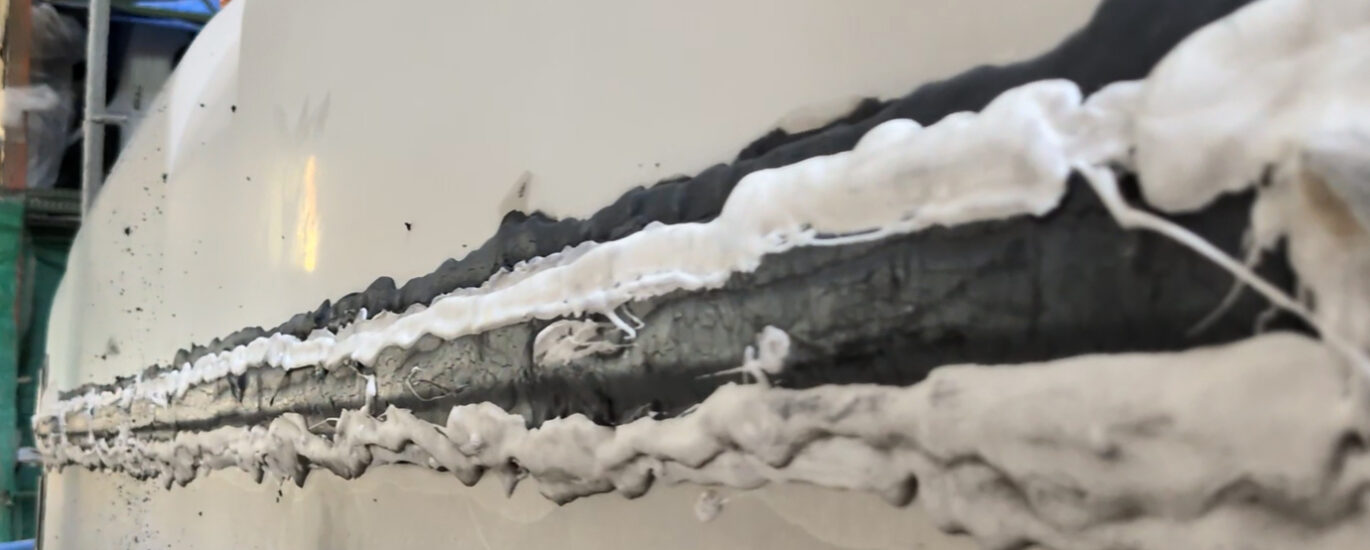
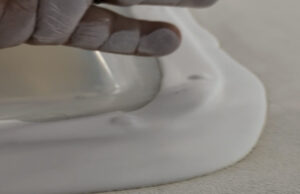
In addition to cracking or lifting edges, Alpha sealant often shows age through a process called chalking.
Even when new, rubbing your finger across Alpha sealant will leave a light chalky residue. However, as the sealant ages, this chalking becomes more noticeable. A common sign of deterioration is the appearance of white streaks running down the sides of the RV, which indicates the sealant is beginning to break down more quickly.
Alpha Systems also differs slightly from Dicor in its recommendations regarding sealant removal.
If cracks extend completely through the sealant or if the edges begin lifting enough to allow water underneath, Alpha recommends removing the old sealant before applying new material.
When removing old sealant, extreme care should be taken to avoid damaging the roof membrane. A plastic razor blade, gentle heat, and patience are typically the safest approach.
Before applying new sealant:
Clean the area thoroughly with soap and water
Allow the surface to dry completely
Apply the new sealant according to manufacturer guidelines
Unlike Dicor, Alpha sealants may gas off slightly during curing, which can sometimes cause small bubbles to appear.
Both Dicor and Alpha sealants cure from the top down, meaning the outer layer may feel dry while the sealant underneath is still soft. Because of this, newly applied sealant can still be damaged even several days after application.
Most RV roof sealants require five to seven days to fully cure.
Alpha Systems Chalking
How Often You Should Inspect RV Roof Sealant
Because sealant is the primary barrier protecting seams and roof openings, regular inspections are one of the most important maintenance tasks for RV owners.
Most manufacturers recommend inspecting your roof at least once or twice per year, as well as after severe weather or long trips.
During inspections, check for:
Cracked sealant
Hardened or brittle areas
Edges pulling away from the roof surface
Discoloration or excessive chalking
Catching sealant deterioration early can prevent small issues from becoming costly water damage repairs.
Final Thoughts
RV roof membranes may carry long warranties, but the areas most vulnerable to leaks are the seams protected by sealant.
Regular inspection and maintenance of RV roof sealant is essential to keeping your roof watertight and preventing expensive damage.
By checking your roof periodically and replacing deteriorated sealant when necessary, you can greatly extend the life of your RV roof and avoid unexpected leaks.